Cleaning vs. maintenance for kitchen exhaust systems
How cleaning, inspection, preventive maintenance and repairs fit together.
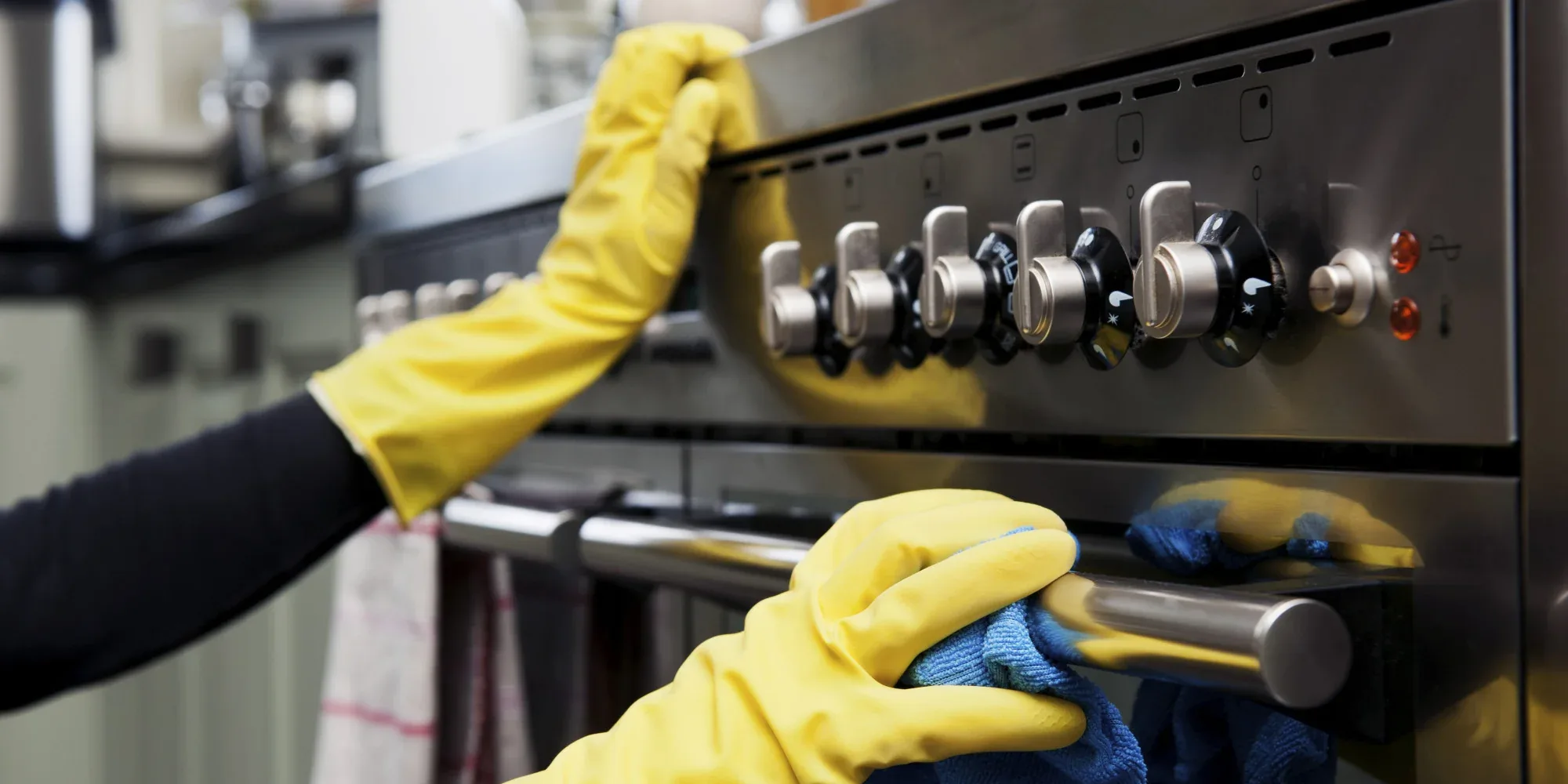
Hood systems and grease traps tend to dominate the maintenance conversation, and equipment cleaning often gets left to whenever the line looks bad. A dedicated cleaning cycle for kitchen equipment works differently from a deep clean — and the scope is where most bookings go right or wrong. Here is what managers should know before arranging professional equipment cleaning.
Cooking equipment collects grease and burnt-on residue continuously, and the pace depends on the equipment type and how heavily the kitchen leans on it. Staff cleaning between shifts handles the day-to-day layer; the heavier layer is a different job that usually waits until service is slow enough that equipment can be accessed, cooled and cleaned properly.
Professional equipment cleaning moves that heavier work from "whenever it becomes a problem" to a planned cycle, alongside the other recurring services in the kitchen.
No generic checklist fits every kitchen. Two restaurants with the same size line can need very different equipment scopes because of menu, volume, layout and how areas are accessed. That is why professional visits are arranged with a scope: the items to be cleaned, the areas around them and the access conditions are agreed before work starts.
Scope and preparation are the deal. Both sides should know the item list and the prep required before the visit. Equipment that needs a qualified trade — repairs, electrical or gas work — is not part of a cleaning visit.
"Clean the kitchen equipment" is too vague to quote or to deliver consistently. A confirmed scope keeps the visit realistic: it says what will be cleaned, what will be checked, what must be empty or accessible, and what happens if something turns out to need a different trade. It also protects the schedule — a visit planned around one scope takes a predictable amount of time.
Contact a provider when residue is outpacing staff cleaning, when the kitchen changes equipment or menu, when an inspection of your own operations suggests the cycle is too long, or when there simply are no records of the last deep cleaning cycle.
Grease Shields provides commercial kitchen equipment cleaning within a scope confirmed for each kitchen in St. John's and across the Island of Newfoundland. See the equipment cleaning service, and hood and canopy cleaning for the exhaust side, or request a quote.