How often should a commercial kitchen hood be cleaned?
The factors that affect frequency, plus a practical way to plan the next visit.
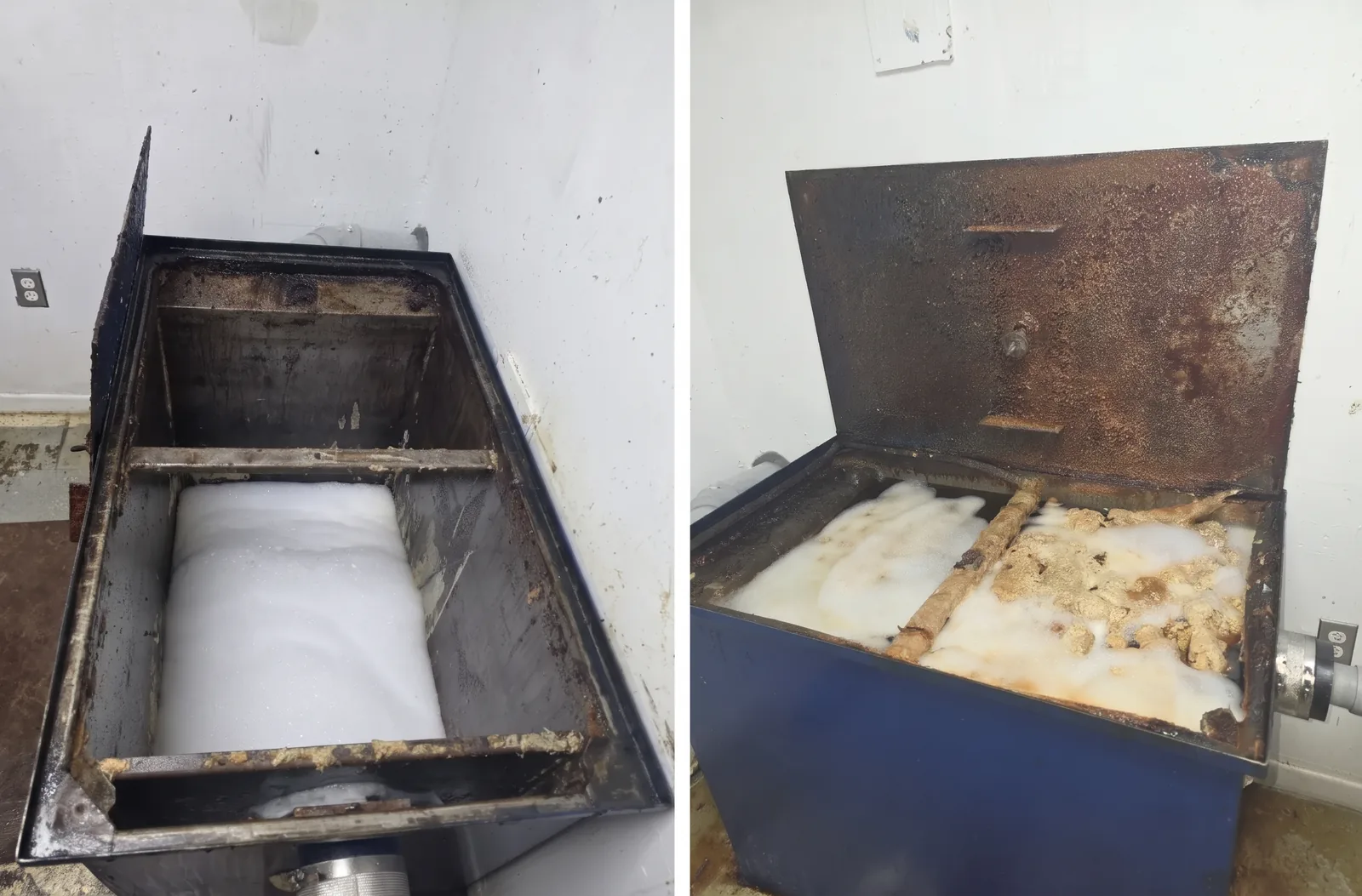
A grease trap works quietly until it does not. By the time a kitchen notices a strong odour or a slow drain, grease and solids may already have built up. Knowing the common warning signs can help you arrange service before a small issue becomes a disruption.
A slow drain or a bad odour is not proof that the grease trap is the only problem. The cause could be a blockage farther down the line, a venting issue, damaged baffles, a failing fitting or a plumbing fault. Cleaning the trap may solve some of these problems, but not all of them.
That is why a service visit should include a visual check and a clear explanation of what was found. If the symptoms continue after cleaning, the next step may be a plumbing assessment rather than another cleaning.
One symptom is not a diagnosis. Use the signs as a reason to investigate, not as a conclusion about the cause.
When you call, share the details that help the provider prepare:
Grease trap cleaning removes accumulated grease and waste from the trap and cleans accessible components. It does not replace a plumbing repair when the cause is elsewhere. A damaged baffle, a cracked tank, a blocked line or a venting problem may need a different scope of work.
Ask the provider to explain what the service includes and what it does not. If the issue is outside the scope of cleaning, ask what trade or next step is appropriate.
Record each cleaning date, the work performed, visible observations and recommendations. Records help you see whether problems are recurring and make it easier to plan the next service. They are also useful when a plumber or another trade needs context about the trap's history.
Request an assessment if the signs persist, if the trap is overdue for service, or if you are opening a new kitchen and do not know the trap's history. Do not wait for a backup before checking a trap that has been out of sight for a long time.
Grease Shields provides commercial grease trap cleaning in St. John's and across the Island of Newfoundland. Learn about the grease trap service or request a quote.